Featured
Table of Contents
Total insolvency filings rose 11 percent, with boosts in both company and non-business bankruptcies, in the twelve-month duration ending Dec. 31, 2025. According to stats released by the Administrative Workplace of the U.S. Courts, annual insolvency filings totaled 574,314 in the year ending December 2025, compared to 517,308 cases in the previous year.
Non-business personal bankruptcy filings increased 11.2 percent to 549,577, compared with 494,201 in December 2024. Bankruptcy totals for the previous 12 months are reported 4 times each year.
For more on bankruptcy and its chapters, view the following resources:.
As we enter 2026, the bankruptcy landscape is prepared for to shift in ways that will considerably impact lenders this year. After years of post-pandemic uncertainty, filings are climbing progressively, and economic pressures continue to impact customer behavior.
Reducing Your Unsecured Debt With Expert Services
The most popular trend for 2026 is a sustained boost in insolvency filings. While filings have not reached pre-COVID levels, month-over-month development recommends we're on track to surpass them soon.
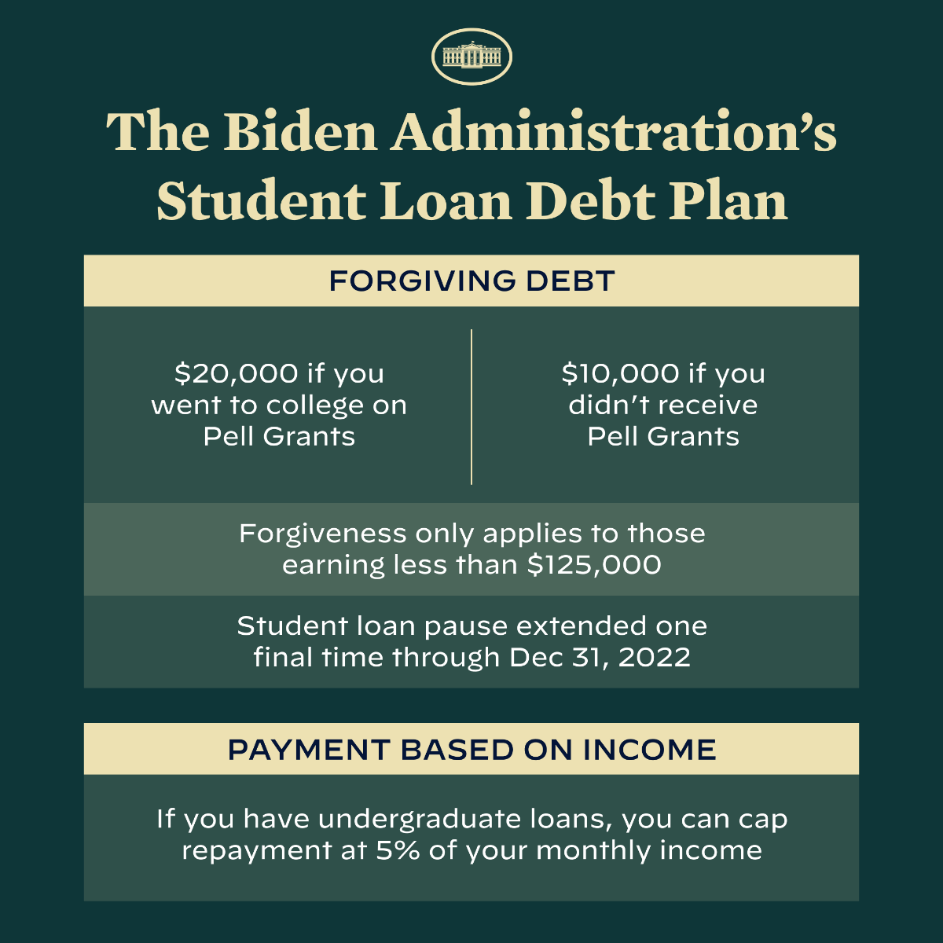
While chapter 13 filings continue to increase, chapter 7 filings, the most typical kind of customer bankruptcy, are expected to dominate court dockets. This pattern is driven by customers' lack of disposable earnings and mounting financial stress. Other essential drivers consist of: Consistent inflation and raised rate of interest Record-high charge card financial obligation and depleted cost savings Resumption of federal student loan payments Despite current rate cuts by the Federal Reserve, rate of interest stay high, and loaning costs continue to climb up.
As a creditor, you might see more foreclosures and automobile surrenders in the coming months and year. It's also essential to closely keep track of credit portfolios as debt levels stay high.

We forecast that the genuine impact will hit in 2027, when these foreclosures transfer to completion and trigger personal bankruptcy filings. Rising real estate tax and property owners' insurance coverage expenses are already pressing first-time lawbreakers into monetary distress. How can creditors remain one step ahead of mortgage-related insolvency filings? Your group should finish a thorough evaluation of foreclosure procedures, procedures and timelines.
Lowering Monthly Payments With Debt Management Strategies
Numerous approaching defaults might emerge from formerly strong credit sectors. In the last few years, credit reporting in bankruptcy cases has become one of the most contentious subjects. This year will be no different. It's important that lenders stand company. If a debtor does not declare a loan, you need to not continue reporting the account as active.
Resume normal reporting just after a reaffirmation arrangement is signed and submitted. For Chapter 13 cases, follow the plan terms carefully and speak with compliance groups on reporting responsibilities.
These cases often create procedural problems for creditors. Some debtors might fail to accurately reveal their possessions, earnings and expenses. Again, these problems include intricacy to insolvency cases.
Some current college grads might manage obligations and resort to insolvency to manage general debt. The failure to ideal a lien within 30 days of loan origination can result in a creditor being treated as unsecured in bankruptcy.
Think about protective steps such as UCC filings when hold-ups happen. The personal bankruptcy landscape in 2026 will continue to be shaped by economic unpredictability, regulative examination and progressing consumer habits.
Finding Nonprofit Debt Help and Support in 2026
By anticipating the trends pointed out above, you can reduce exposure and preserve operational resilience in the year ahead. This blog site is not a solicitation for organization, and it is not intended to make up legal advice on specific matters, produce an attorney-client relationship or be legally binding in any way.
With a quarter of this century behind us, we go into 2026 with hope and optimism for the new year., the business is discussing a $1.25 billion debtor-in-possession funding bundle with financial institutions. Added to this is the general global slowdown in high-end sales, which could be crucial factors for a possible Chapter 11 filing.
17, 2025. Yahoo Finance reports GameStop's core organization continues to battle. The company's $821 million in net profits was down 4.5% year-over-year, driven by a 12% decline in hardware and a 27% decline in software application sales. According to Looking For Alpha, a crucial part the company's relentless income decline and decreased sales was last year's unfavorable weather conditions.
Choosing the Best Debt Relief Pathway
Swimming pool Magazine reports the company's 1-to-20 reverse stock split in the Fall of 2025 was both to guarantee the Nasdaq's minimum quote cost requirement to preserve the company's listing and let financiers know management was taking active steps to deal with financial standing. It is unclear whether these efforts by management and a better weather climate for 2026 will assist prevent a restructuring.
According to a current publishing by Macroaxis, the chances of distress is over 50%. These issues paired with considerable debt on the balance sheet and more individuals skipping theatrical experiences to enjoy movies in the convenience of their homes makes the theatre icon poised for personal bankruptcy procedures. Newsweek reports that America's biggest infant clothing retailer is preparing to close 150 shops nationwide and layoff hundreds.

Latest Posts
Reliable Ways to Reduce Unpaid Accounts
Navigating the 2026 Insolvency Legal System
Locating Professional Insolvency Support in 2026